
Ever since I was a young boy I've been obsessed with space and the night sky. I've always imagined what it must be like to experience walking on the moon, looking back at the tiny blue pearl that's our home, not to mention looking out into deep space without any light pollution, bad weather or atmosphere to impede the view. It's no surprise that I dreamt of being an astronaut for all these reasons.
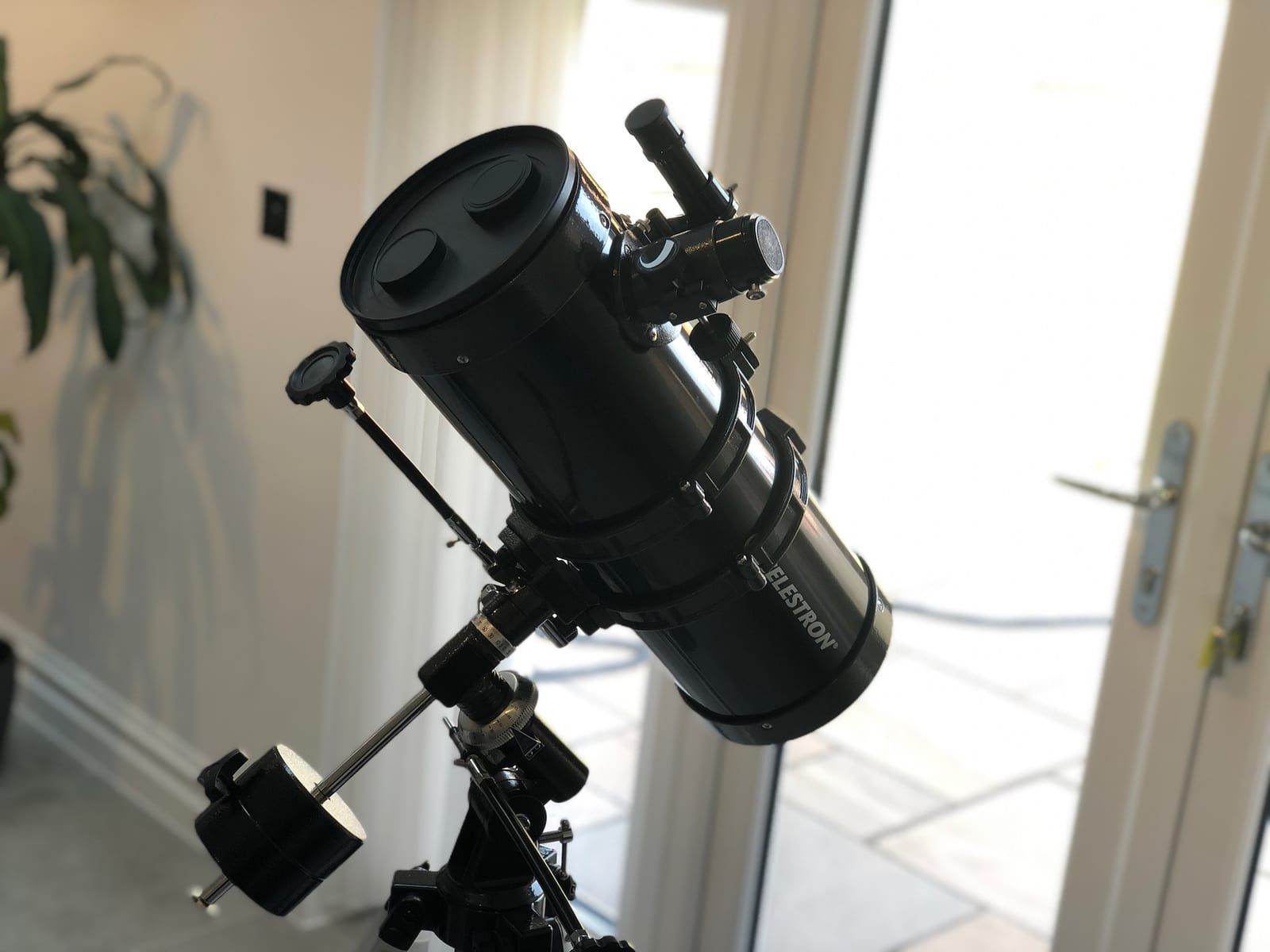
My family were and still are very aware of this obsession. Roll on to my 30th birthday and they presented me with my first telescope - the Celestron PowerSeeker 127EQ.
For the first time I could gaze up at the moon, stars and planets (sort of...) and be able to make out the amazing details that I'd seen countless times in magazines, documentaries and posted online. I just had to figure out how to assemble and use it first...
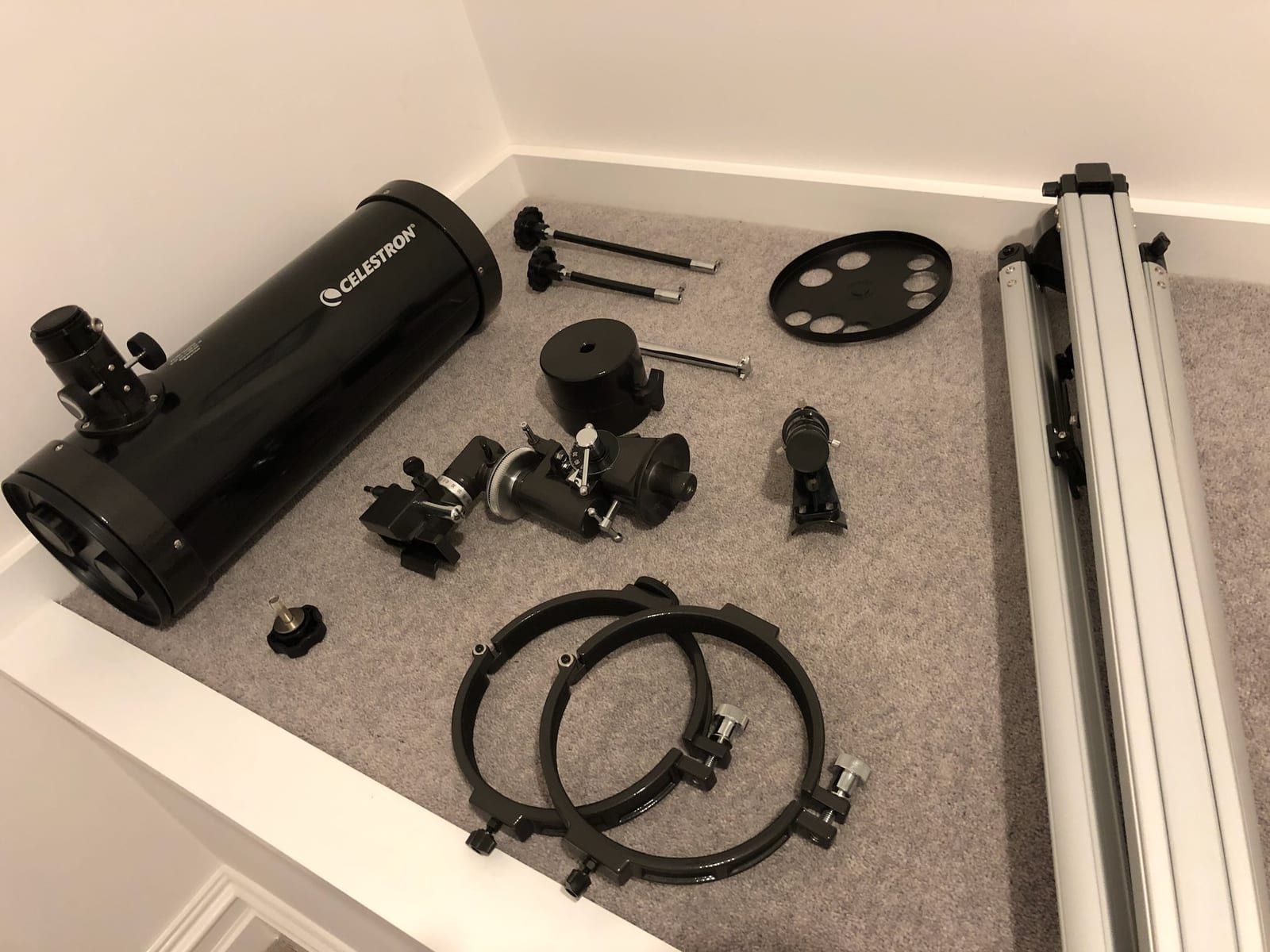
After what seemed like far too long I managed to put everything together ready for use, however the instruction manual was far from finished. I still had to:
- Balance the scope
- Align the guide scope
- Polar align
At this point it became very apparent to me that I'd underestimated the complexity and precision required for a good night of astronomy. In my naivety I'd simply assumed I could assemble the scope, take it outside and point it at the night sky... how foolish I was.
If I'm being completely honest, I lost the will to continue. I'd read the manual several times and it just wasn't making a whole lot of sense. I got so frustrated that I couldn't get to grips with it that I completely abandoned the whole pursuit for at least a week or two, however it was always playing on my mind. Eventually a perfectly clear night lured me back in and I decided to try again.
This time I took a different approach and decided to consult the internet to help me get through the complexity. I was surprised to find a wide array of astronomy channels on YouTube along with a lot of different blogs, all of which featured some brilliant content. The trouble was that most of it was way beyond my level and getting the basics was often overlooked. That's part of the reason I've setup this website and blog; I really want to share my experience with others and hopefully provide them with simple, easy to follow steps to get started too. With that in mind, my plan is to dedicate some blog posts to tutorials, starting with the three skills listed above.
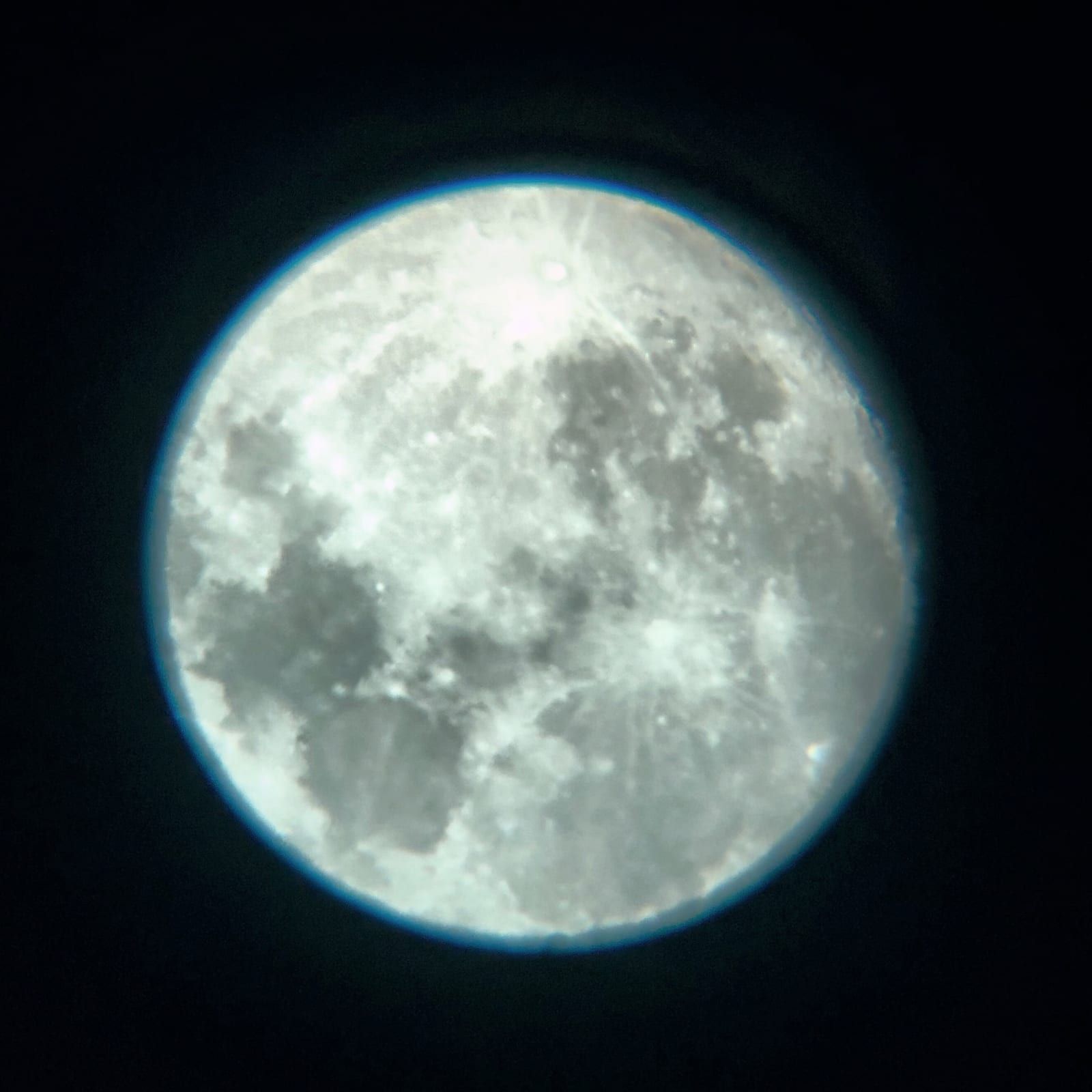
Long story short, I did eventually manage to wade through the available content, get to grips with each of the required skills and I was ready to explore the night sky. Here's a picture I took through the scope with my iPhone. I know it's not spectacular but I'm proud of it nonetheless being my first astrophoto.
So, what about the scope - is it any good? In short, YES!
It's a great scope for beginners that I'd highly recommend. If you're looking for a scope that's good value for money and provides a decent aperture and focal length (critical for viewing distant objects) then look no further. Out of the box you get a variety of eye pieces which provide varying degrees of magnification along with the finder scope, the mount, accessory tray and more.
Additionally, and importantly it includes a German equatorial mount. I would strongly encourage anyone getting into astronomy to start with this type of mount, especially if you eventually intend to get into astrophotography. It's a more complicated mount to use, however when mastered it makes tracking objects in the night sky a doddle.
This is all very positive but I do also have to mention a downside. It's brilliant that a few eye pieces are included, however they're definitely lower quality than I'd like. In particular the 250x eyepiece is near unusable in my view, it's simply too small to peek through! If you plan to use the scope longer term it's worth investing in some better-quality eye pieces that will make your viewing more enjoyable and stand the test of time no matter what scope you use in future. For me, this took the form of several Baader Hyperion lenses (not cheap!).
Overall my experience was a rollercoaster of emotions but in the end, I got to grips with it and loved it. Almost a year on, I've significantly upgraded my gear and can confirm I still love astronomy. Something I hope to share in future posts!